The myth of the ‘born leader’. Stop telling new managers to "just figure it out!"

“She's a natural leader." "He'll find his feet."
These are just a few of the lazy tropes organisations use to excuse a fundamental lack of investment in their human capital. Let’s be clear, leadership is not an innate trait, it is a highly complex, emotionally taxing discipline that requires deliberate practice, deep resilience and intentional development.
Yet, a glaring corporate paradox persists. Companies routinely allocate ample budget for hard skills – certifications, technical competencies, and product training – while starving new leaders of the tools they need to develop self-belief and emotional intelligence. They fundamentally fail their people by assuming that a leadership style can simply be absorbed via osmosis.
Is it any wonder then that we end up with ‘accidental managers’?
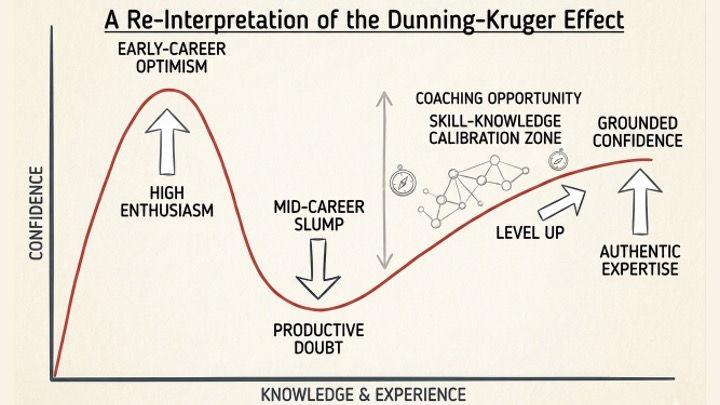
For three decades, I operated in an environment where this happened every single day. The company’s best software engineer, most effective architect or highest-performing commercial executive would be rewarded with a promotion. But overnight, their job function shifts entirely. They go from being responsible for outputs to being responsible for people. Yet, these accidental managers are consistently left to make it up as they go along.
The data backing up this systemic failure is staggering. According to research by the Chartered Management Institute (CMI), 82% of managers entering a leadership position have had no formal management training. They are quite literally left to absorb it from the ether. Further data from the Association for Talent Development (ATD) and the Center for Creative Leadership indicates that nearly 60% of first-time managers receive no training during their transition, while 26% feel entirely unprepared for their new responsibilities.
When a brilliant technical mind is left to "figure it out" in a human-centric role, the fallout is entirely predictable. They default to sub-optimal management styles, micromanage out of a need for control or avoid conflict at all costs. Team performance plummets and the leader's own career progression stalls simply because they are overwhelmed.
This may explain why some organisations continue to question the efficacy of traditional development. A McKinsey study found that of the organisations investing in leadership development, only 10% believe it delivers a clear ROI. Why? Because 75% of leadership development professionals estimate that less than half of what is taught in generic corporate training actually gets applied on the job.
A leadership style doesn't change because someone sat through a slideshow!
This is precisely the gap that a generic, ‘one-size-fits-all’ corporate programme will never fill where peer-level coaching can. When I coach a new or mid-career leader in the tech, science or professional services sectors I’m not lecturing them from a textbook. We are co-authoring a leadership style that fits their individual personality and values.
I lean heavily into my own 30 years of lived commercial experience to provide deep, contextual empathy. I can look at a struggling leader and say with absolute sincerity: "I know exactly why you handled that stakeholder meeting that way, because I did the same thing in 2010. Let’s figure out how we evolve past it."
True leadership isn't sparked by a title change, nor is it absorbed through office walls. If we want our next generation of leaders to succeed, we must stop leaving them to drown in the deep end of human dynamics. It’s time for organisations to trade generic slide decks for empathetic, real-world partnership - and give these leaders the shoes that actually fit.


Comments